
Baja California with UnCruise Adventures
The Sea of Cortez: Into Mexico’s Wildest Waters
By Akvile Marozaite
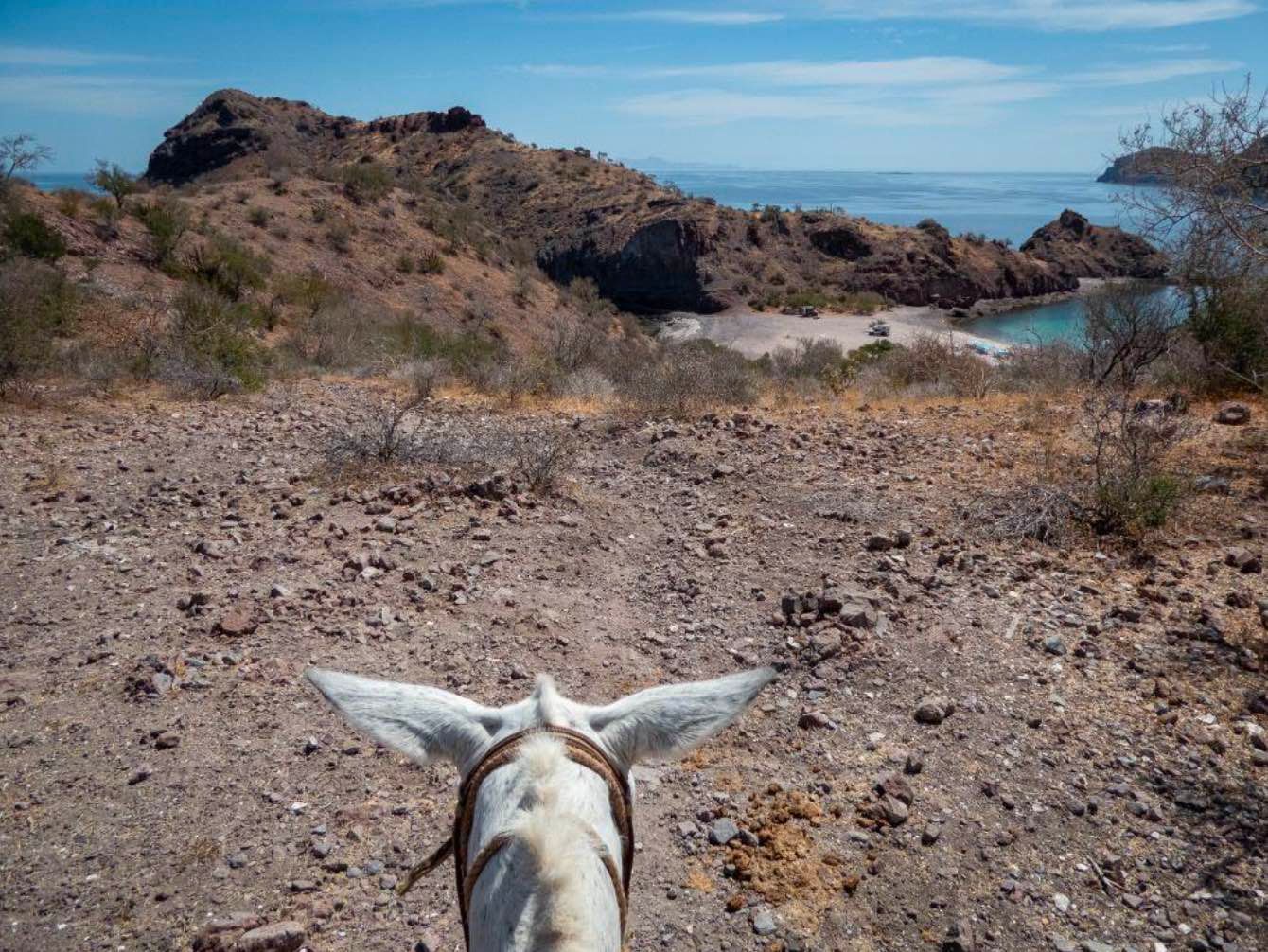
The burro who is to take me to a magnificent vista point in Agua Verde is called Espuma — or Foam in English — and he is a fine specimen with a beautiful white-spotted coat. I find myself about to join this unusual activity in the middle of Mexico’s Baja California while exploring the Sea of Cortez with UnCruise Adventures during its ten-day voyage in honour of the celebrated American author John Steinbeck.
In the middle of the last century, Steinbeck set out with his biologist friend on a six-week journey exploring this very sea, collecting samples of the creatures they encountered. The result was The Log from the Sea of Cortez, a book that details the voyage while offering philosophical reflections on the meaning of life.
This is not the Mexico many international tourists know. We quickly learn onboard that less than 1% of international travellers choose Baja California for their holiday. It is, however, a far more familiar destination for another type of visitor — more than 30% of the world’s marine mammals come here to feed, give birth, play, and sometimes stay for good. It feels as though they know something most travellers do not, with the exception of Jacques Cousteau, who famously called it “the Aquarium of the World.”
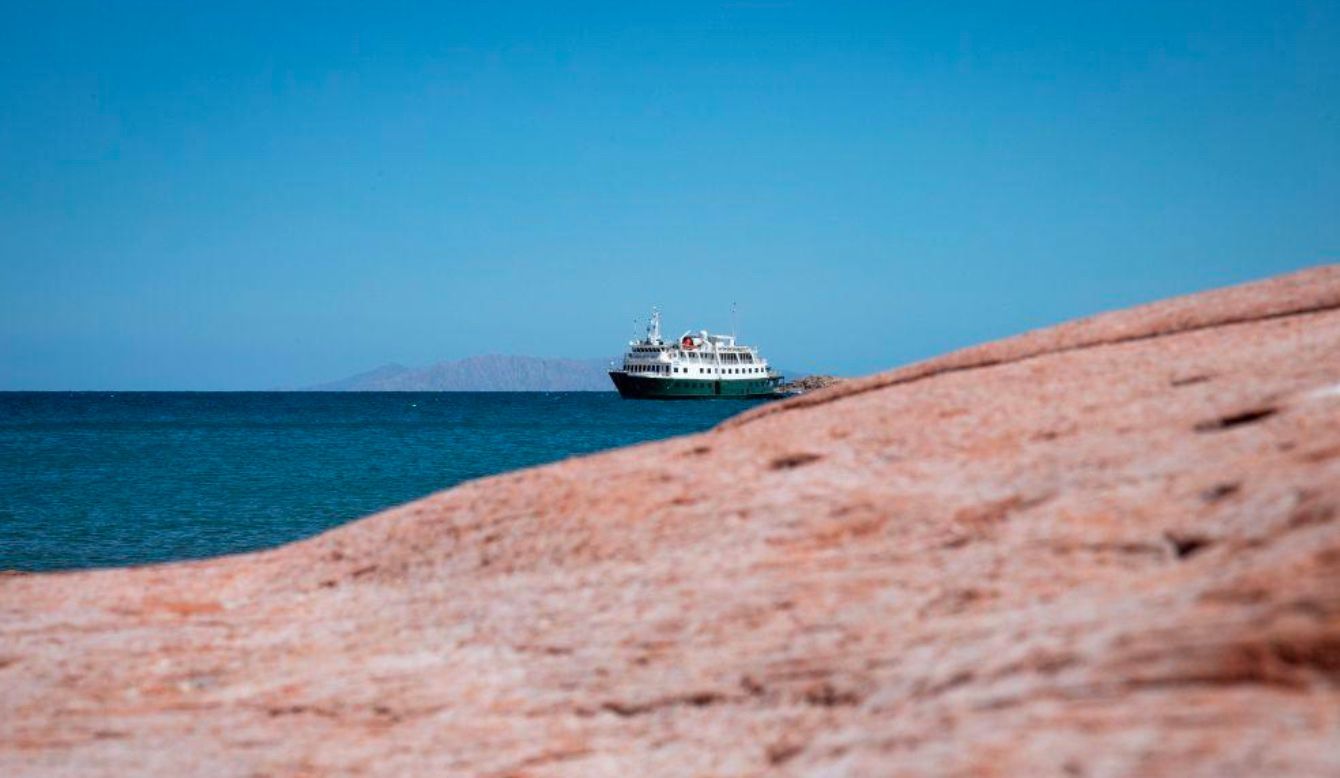
If Baja California feels like a different side of Mexico, it is fitting that I am travelling with expedition cruise operator UnCruise Adventures. Our home for the next ten days is the 66-passenger Safari Voyager, and the company’s founder, Captain Dan Blanchard — with his booming voice and larger-than-life personality — happens to be onboard. He is quick to assure us this voyage is anything but a cruise.
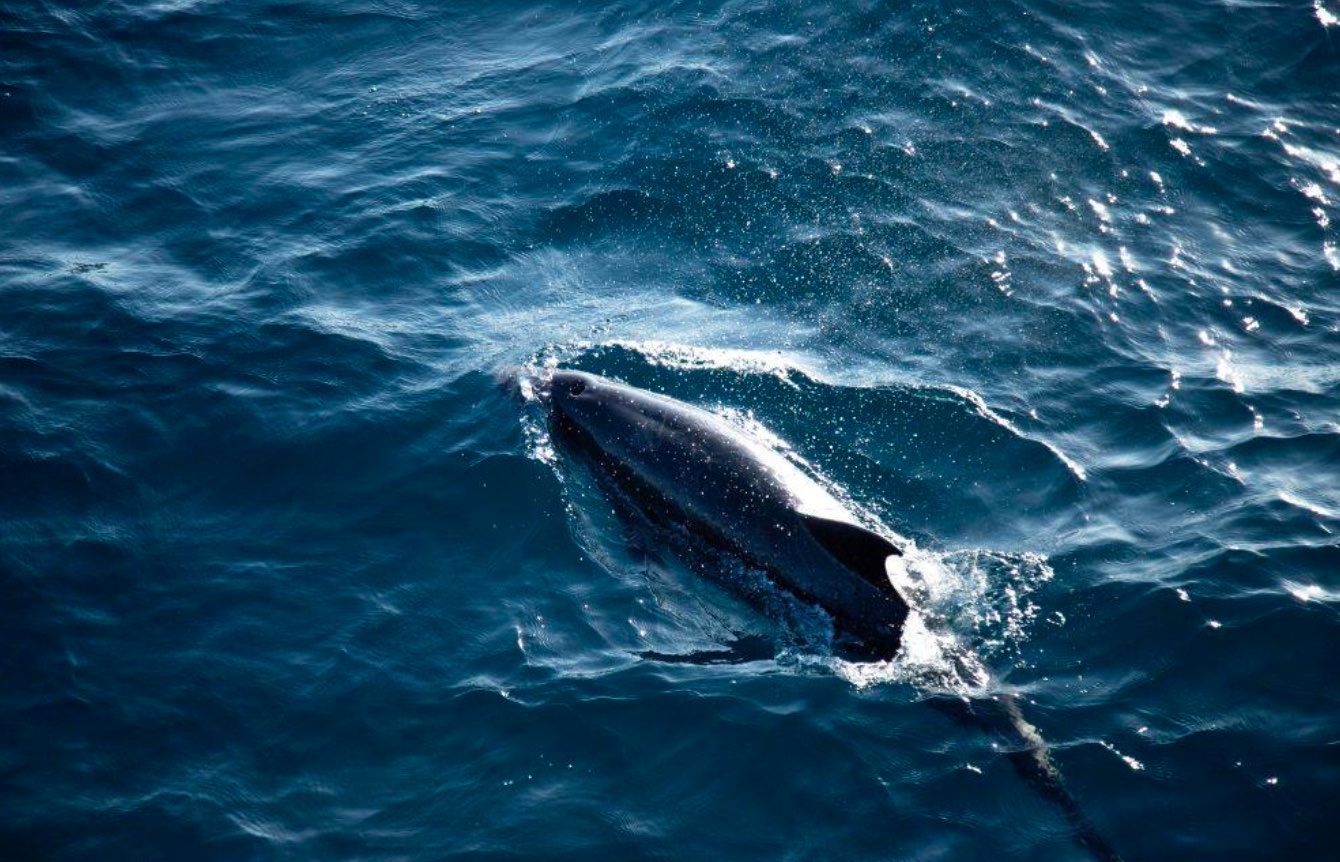
It does not take long to understand why. Before our first breakfast, Captain Shep announces we will slow the ship to spend time with a minke whale spotted by the expedition team. Soon after, a pod of dolphins joins us, riding the bow to everyone’s delight. April is also the start of mobula ray mating season, and what a sight it is — these large fish launching themselves out of the ocean, sometimes several at once, before crashing back down in spectacular splashes, as if competing for attention.
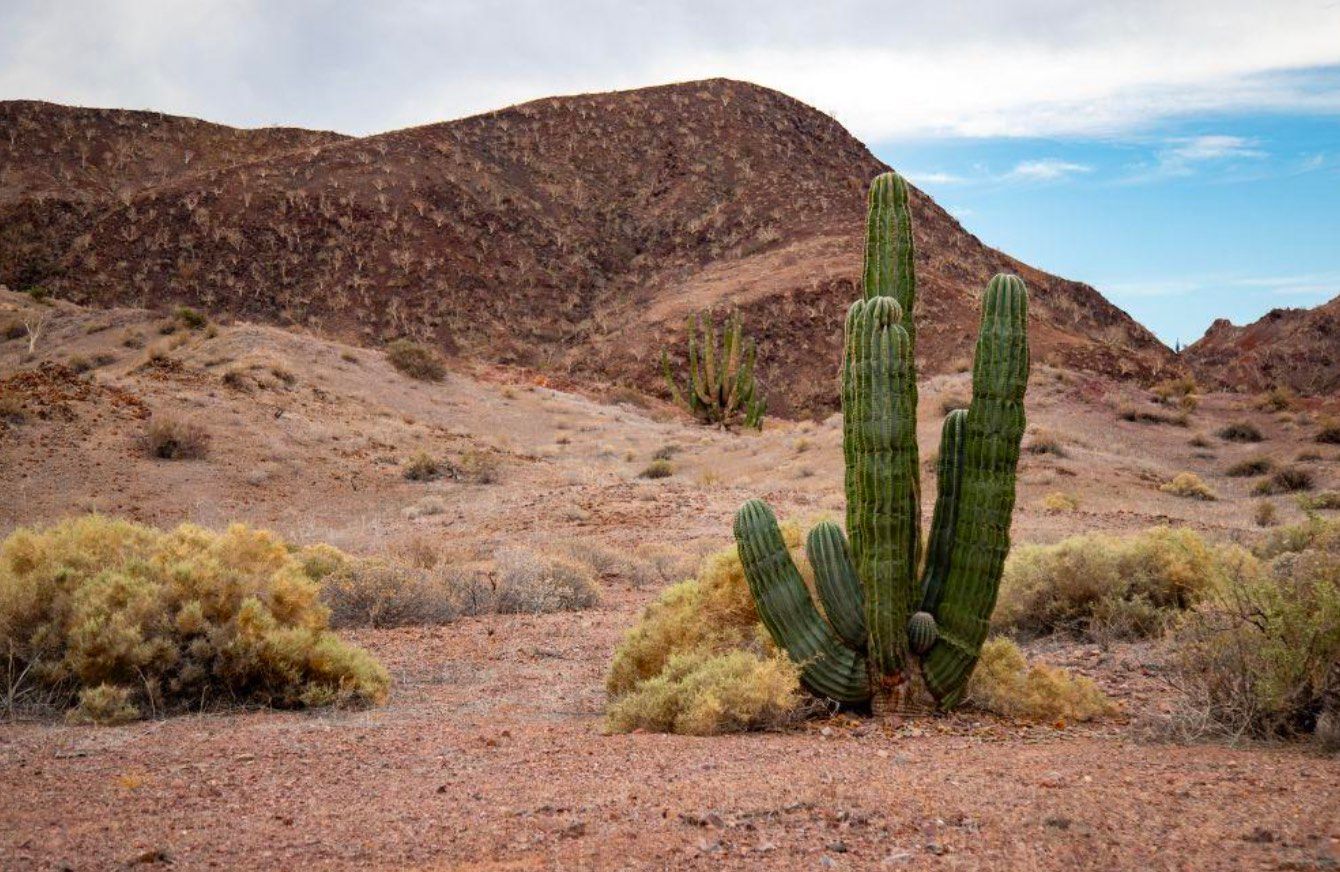
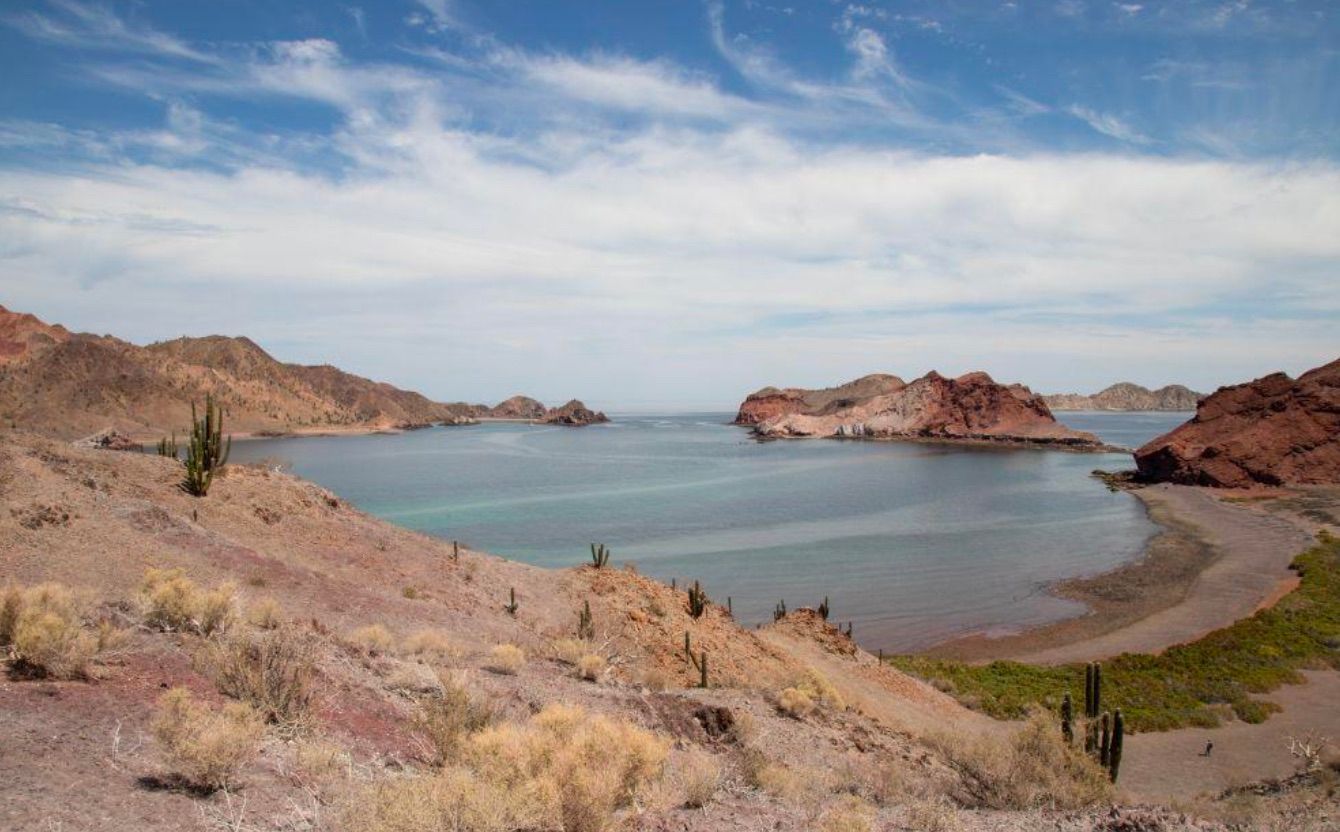
Beyond the marine mammals, Baja California and its desert islands are equally striking. It is hard to think of another place where desert and sea meet so dramatically. Once part of mainland Mexico, the peninsula carried with it the landscapes of the Sonoran Desert. Like the Galápagos, it evolved in isolation, allowing species to adapt in unique ways and resulting in a high level of endemism. From towering cardón and barrel cacti to Dr Seuss-like trees and endemic reptiles, life here feels both resilient and distinctive.
The Sea of Cortez itself is one of the youngest and richest seas in the world, where deep underwater terrain and seasonal currents drive nutrient-rich upwellings, supporting an abundance of marine life.
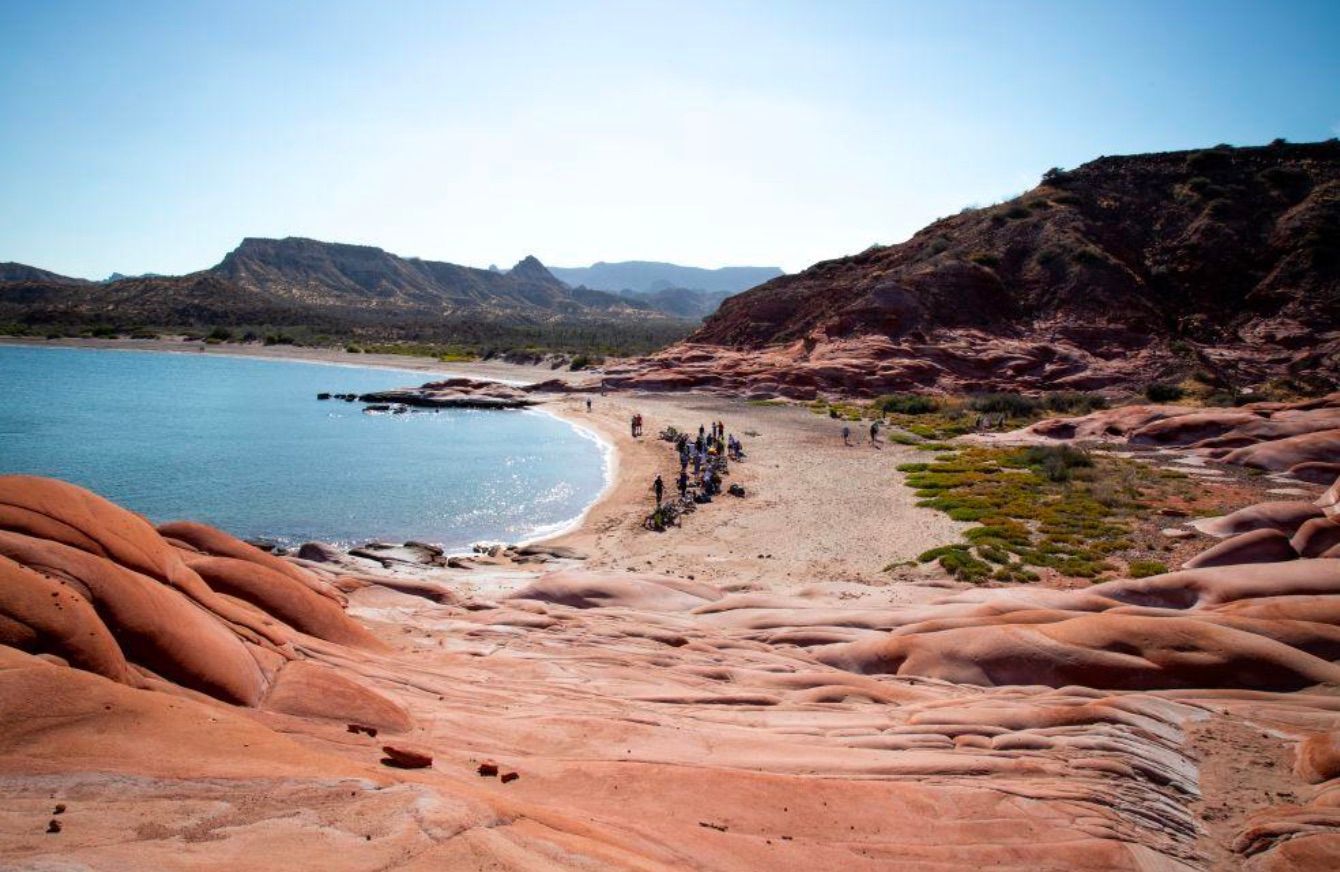
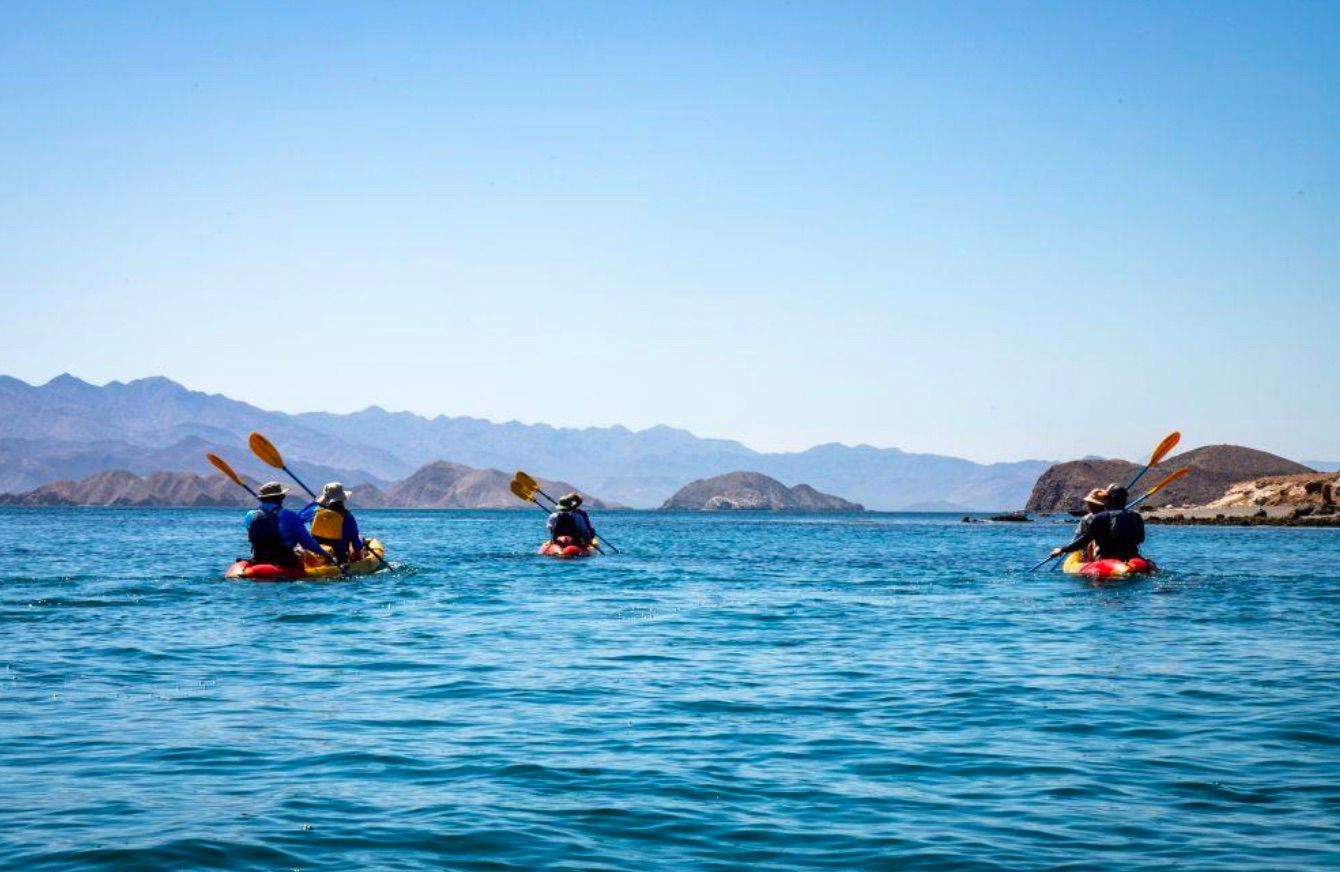
During our ten-day voyage, we explore its islands and travel as far north as conditions allow. Our first stop, Puerto Los Gatos, sets the tone for the trip. A beach party awaits, and guests are offered a full range of activities — eco-meanders, moderate and hard- charger hikes, snorkelling, kayaking, and stand-up paddleboarding. There are no waitlists and no pressure, just a relaxed can-do attitude, plenty of support for those less confident in the water, and a constant invitation to take part.
The islands are also surprisingly diverse — from red sandstone cliffs in Puerto Los Gatos, to volcanic islands and pebbly shores, to the white sand, picture-perfect Isla San Francisco on our last stop. Each landing brings something new — a different texture, a different pace, and a different sense of discovery.
In Laguna La Gringa, we opt for an all-day kayaking trip to a nearby island, only to be told the rising wind will make the crossing unsafe. Plans change quickly here, and instead we spend the day on the beach, margaritas in hand, enjoying the easy company of fellow travellers.
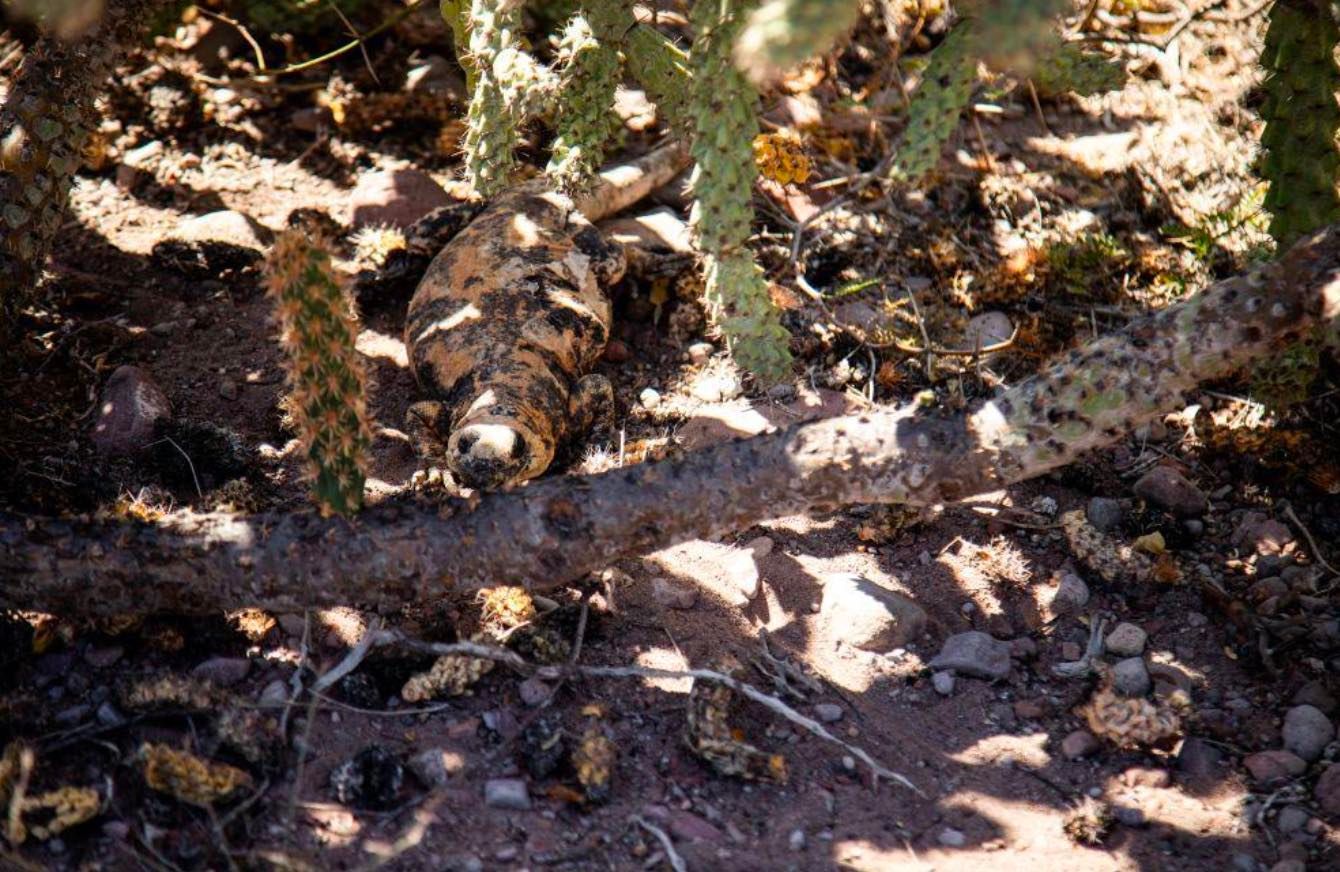
On Isla San Esteban, some of us set out in search of chuckwallas, large endemic iguanas that blend almost perfectly into their surroundings. Once you spot one, you begin to see them everywhere. Our expedition guide Walter turns it into a friendly competition, counting sightings and comparing photographic evidence with another group.
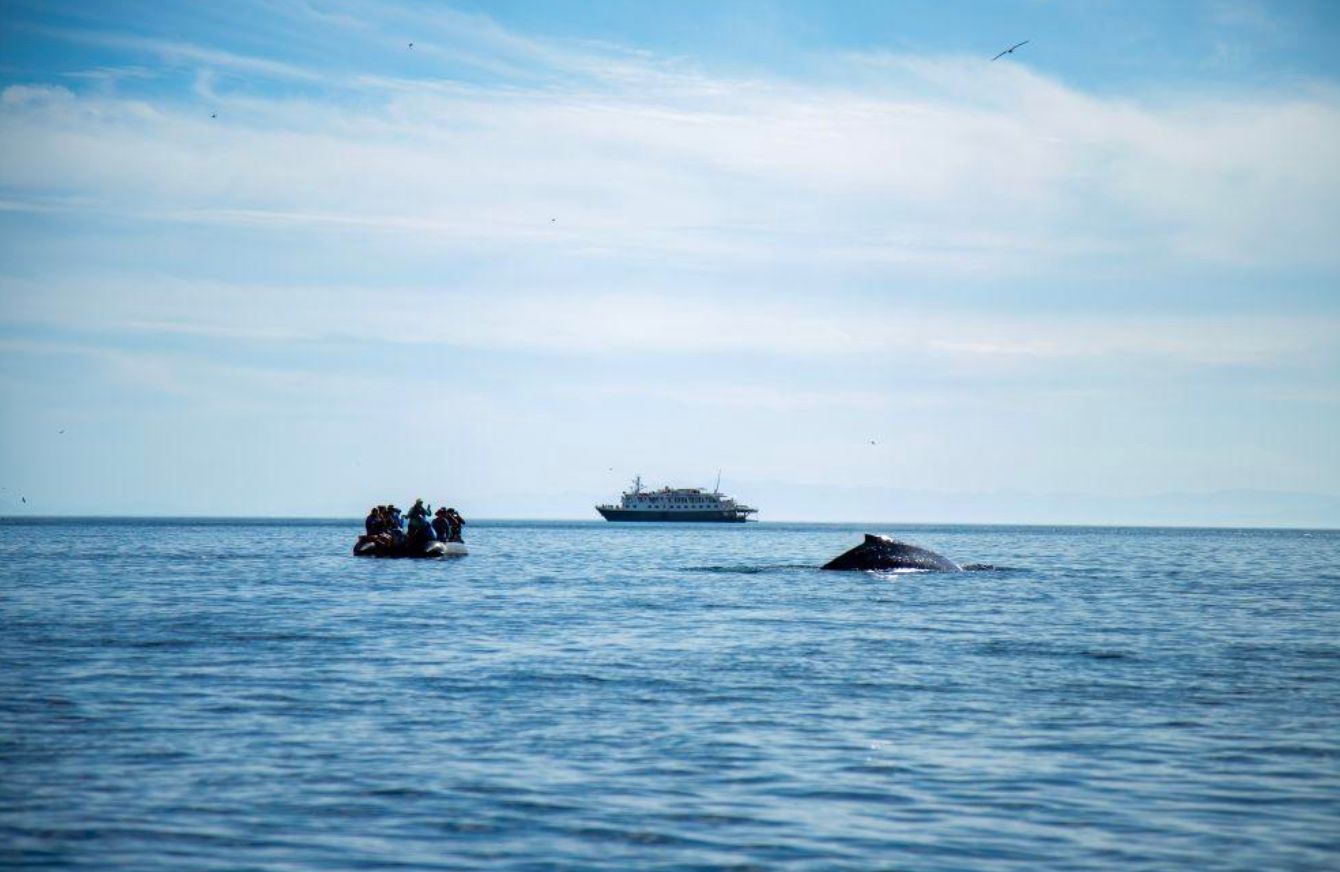
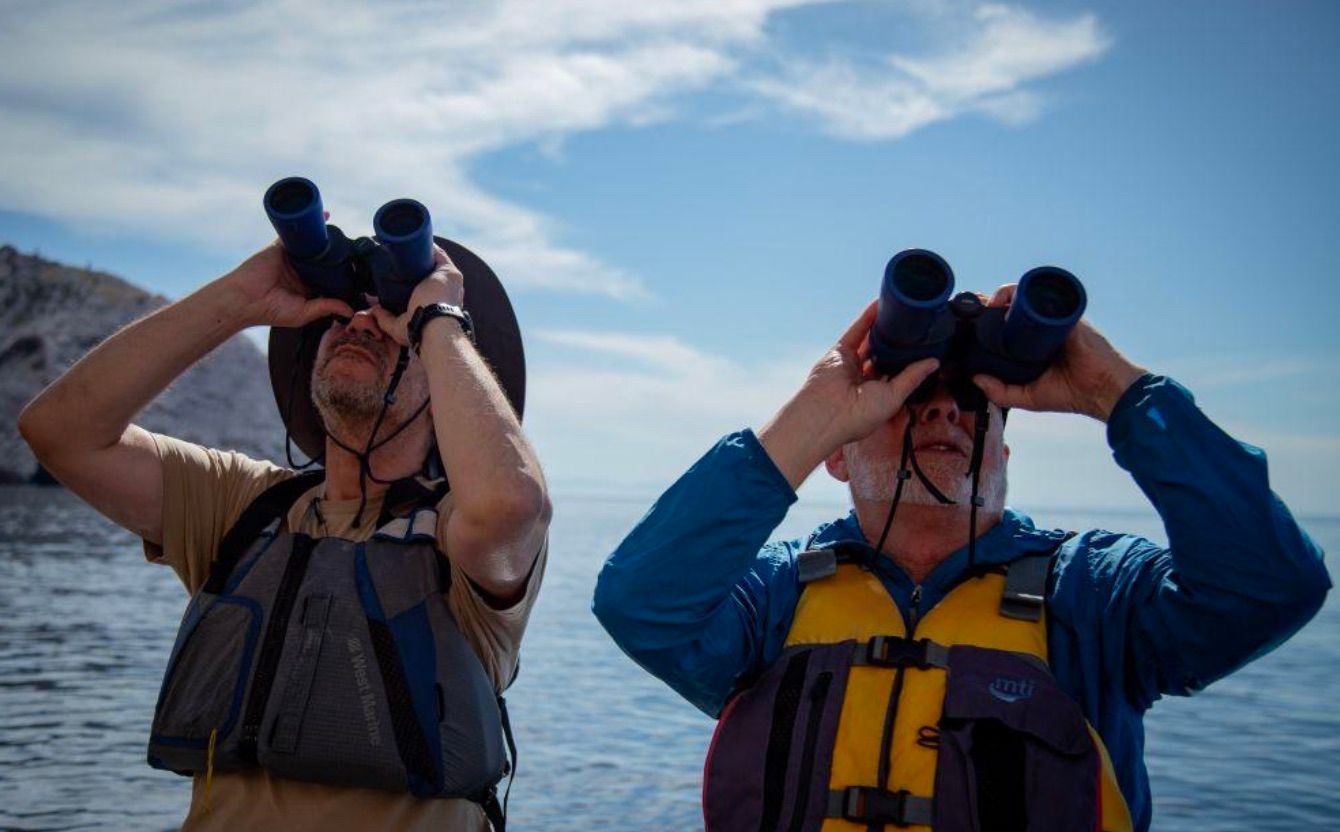
Isla San Pedro Mártir, a UNESCO World Heritage site, is home to the world’s largest colony of blue-footed boobies. Yet during our zodiac cruise, it is two humpback whales that command our attention, surfacing and diving in unhurried rhythm. The sound of a whale breathing is unexpectedly calming — one of the most peaceful sounds I have ever heard.
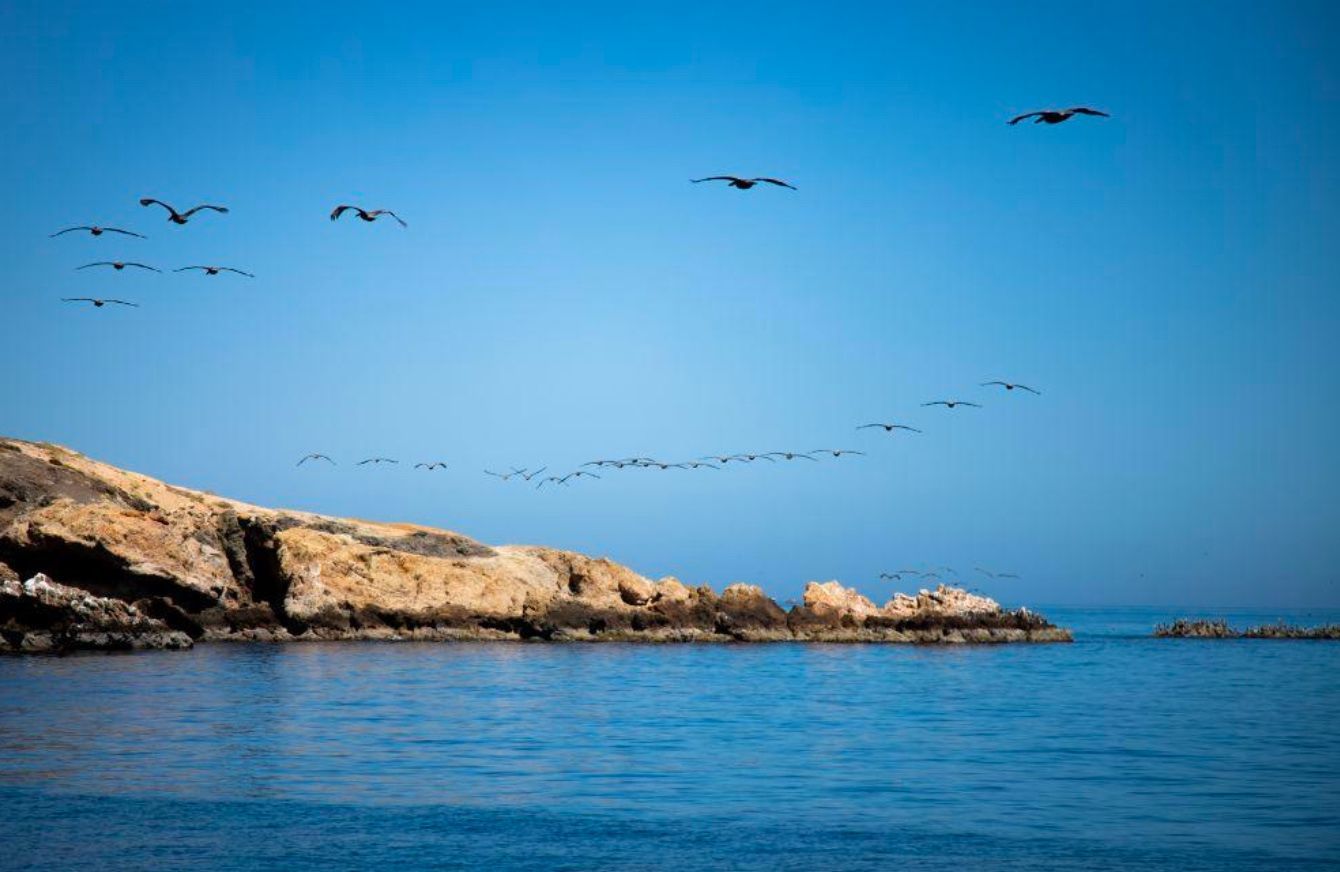
We try again for a full-day kayaking adventure on Isla San Marcos, this time successfully. Paddling past thousands of pelicans perched along the rocks, it feels almost prehistoric — as though we have slipped into another era, watched closely by these ancient-looking birds.
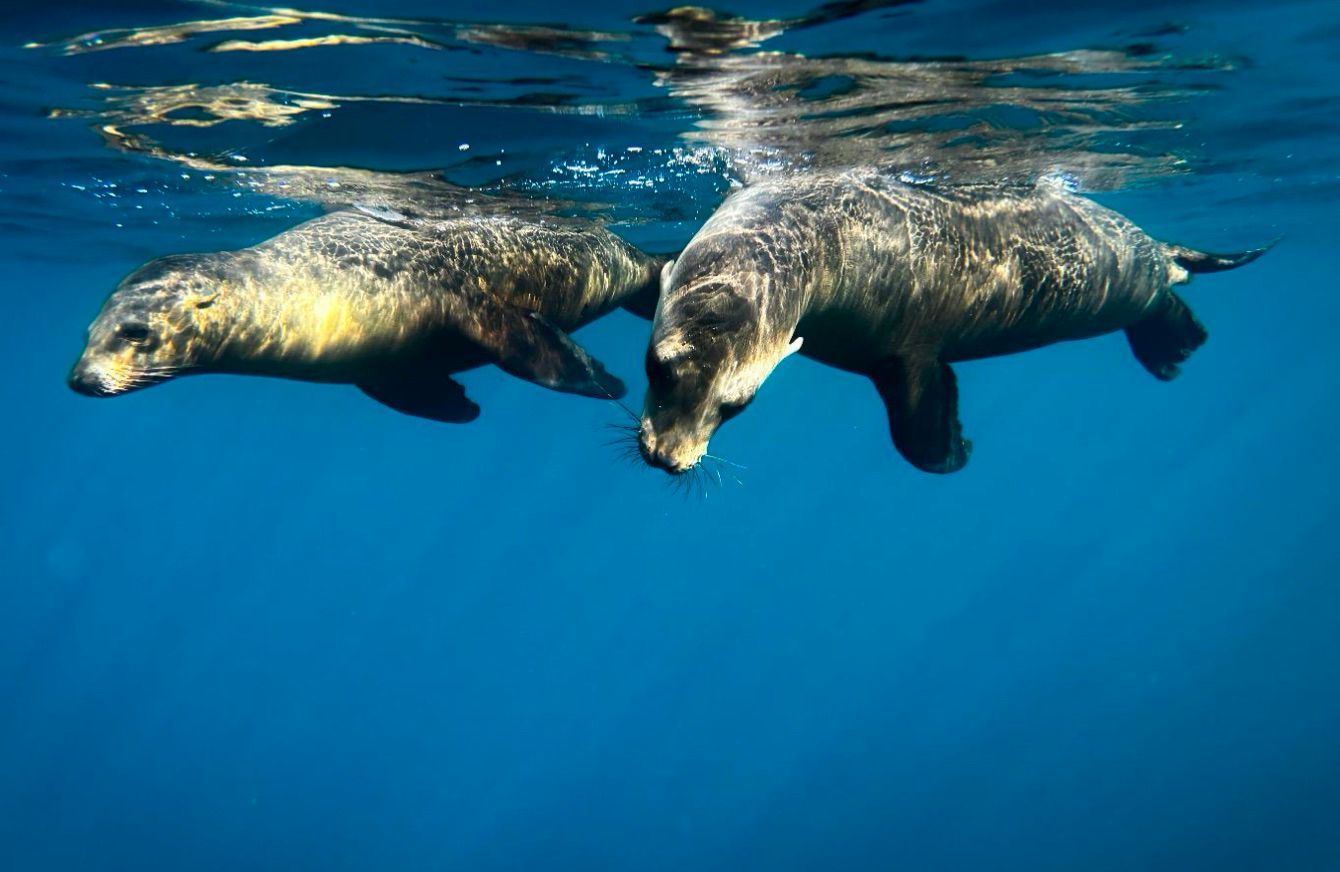
Still, few moments compare to our final day at Los Islotes. Arriving early, before the local boats, we have the sea lion rookery almost entirely to ourselves. Young sea lions dart around us in the water, playful and curious, spinning, chasing one another, and coming within touching distance. At one point, I watch a mother nursing her pup underwater — a quiet, intimate moment I know I will remember for years to come.
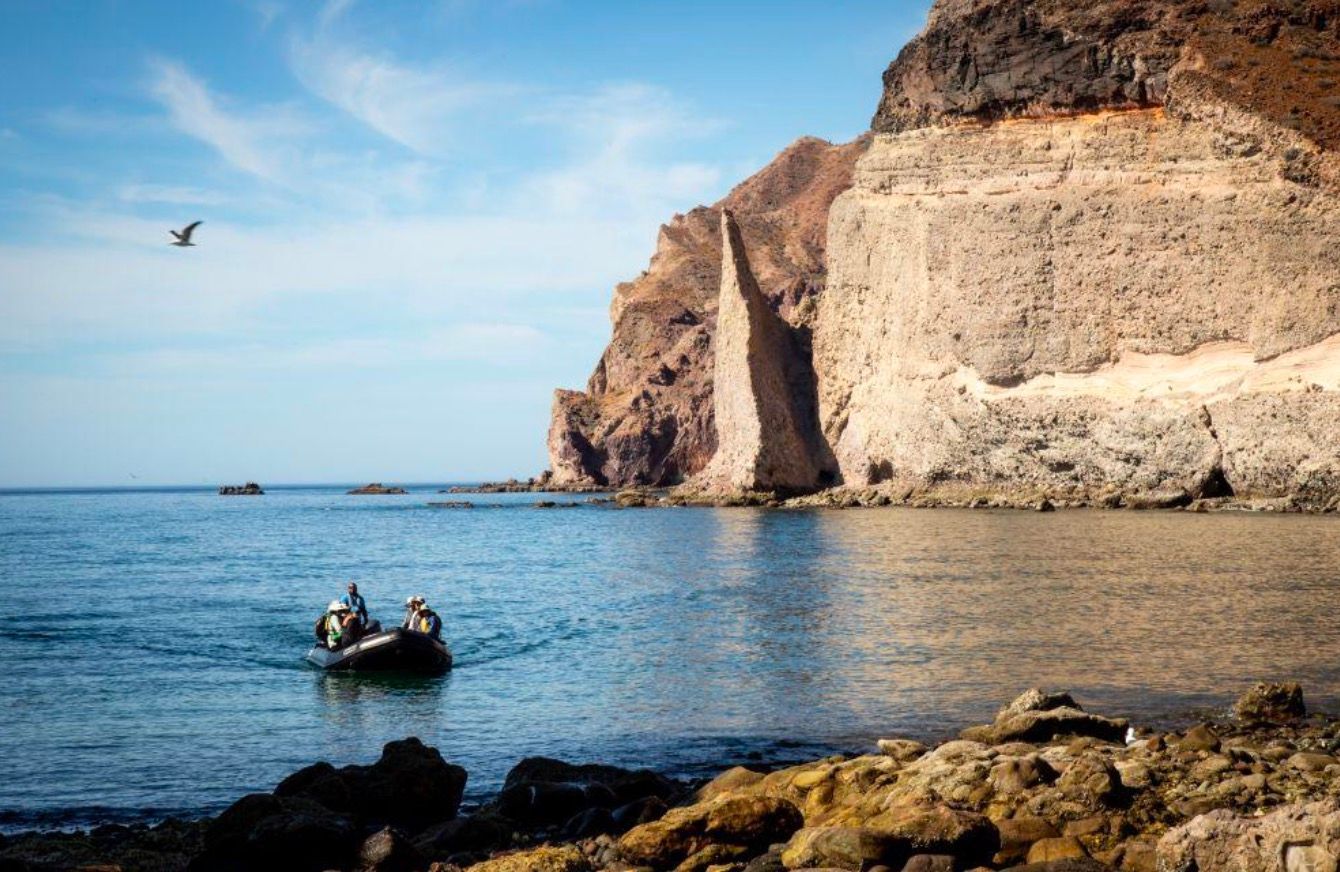
Access to these remote, port-less islands is made possible by a fleet of expertly operated skiffs, or Zodiacs. Evenings are spent learning more about the region from the six-strong expedition team — from the origins of the name California to the ecology of the peninsula and its wildlife. It is this combination of exploration and understanding that makes expedition cruising so rewarding
As is typical on these journeys, everything is included — activities, meals, drinks — leaving only crew gratuities as an optional extra. The crew, I should add, are exceptional, and the level of service both onboard and ashore stands out.
Perhaps it is telling that I have not said much about the ship itself. In expedition cruising, the ship is simply a base — somewhere to rest and recharge. The real experience lies beyond it. UnCruise Adventures has built its reputation on this idea, attracting a high number of repeat guests. What you are paying for is not luxury in the traditional sense, but access — to remote places, close wildlife encounters, meaningful connections, and the sense of travelling responsibly in fragile environments.
If Baja California has piqued your curiosity, UnCruise Adventures is not the only option — National Geographic-Lindblad Expeditions and PONANT also offer voyages here. Whichever you choose, it is a destination that rewards those willing to step slightly off the well-trodden path.
For more information on UnCruise Adventures visit www.uncruise.com
Please mention Holiday and Cruise Magazine